

Âğēldâri / Âğīl-dārī
A Collection of Folk Relations
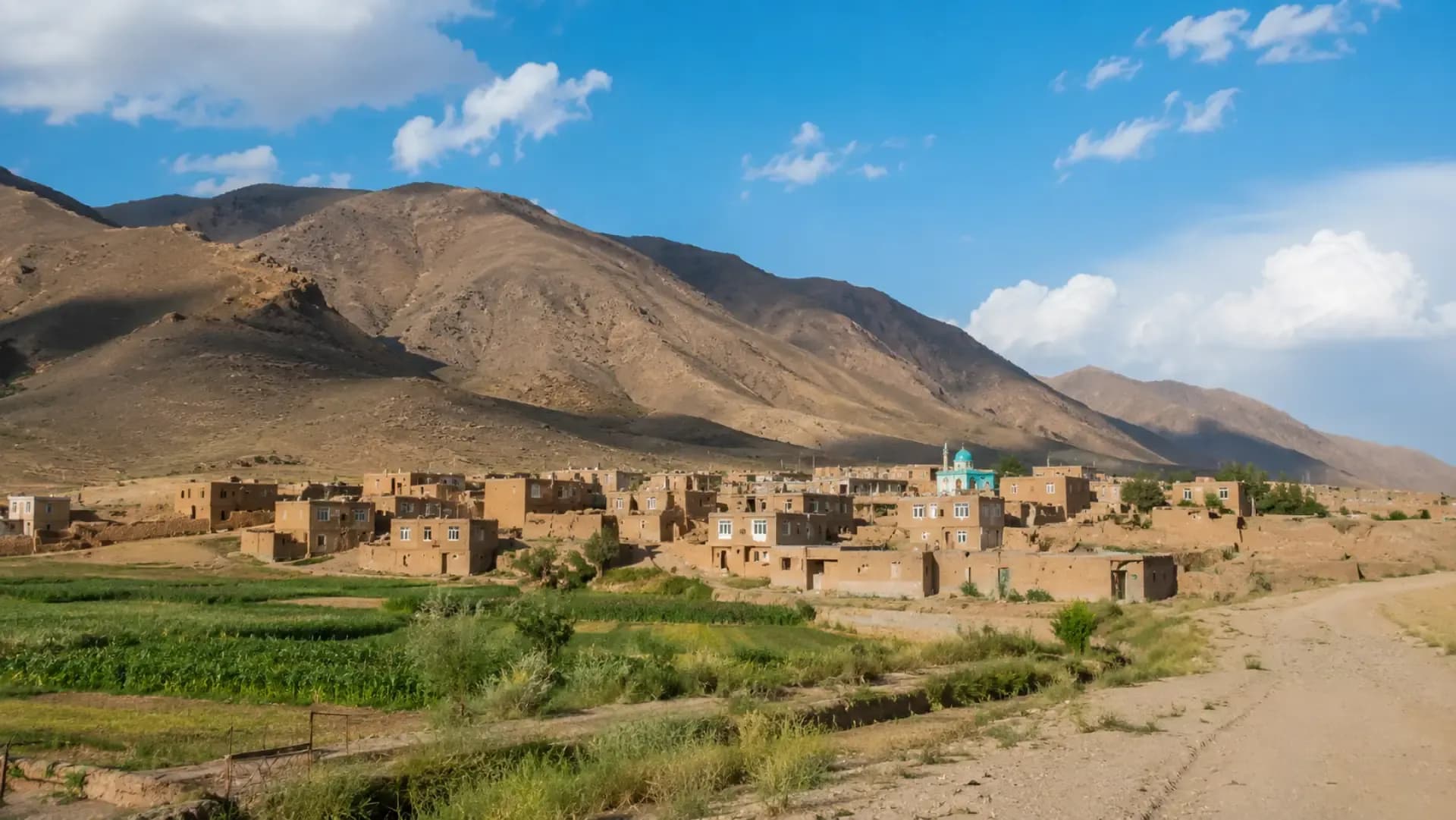
An âğīl is a small social unit made up of several households, though it can sometimes encompass an entire village or, at other times, be smaller. Through this unit, people continuously interact and exchange, fulfilling their material and social needs.
Traditionally, all the residents of a village would participate together in collective tasks such as building a mosque, feeding a bereaved family, hiring a shepherd, or bringing in a mullā (religious teacher). Other occasions included holding feasts to celebrate the birth of a child, welcoming travelers, hosting returning pilgrims from Hajj or Karbala, and smaller community ceremonies. Likewise, households within each âğīl would assist one another materially and non-materially in both sorrows and celebrations, for example during funerals or religious festivals. These local interactions were known as âğīlī or âğīldārī. This mutual support includes âshār (cooperation) or pūlghū (communal labor) as well. Behaviors such as politeness, refraining from insults, and avoiding rudeness were also part of this framework and people who showed such conduct were called âğīldār (Rezaei, 1396 [2017]
People normally try to attend in agili interactions. Social pressure and collective expectations arising from participation in the âğīli, lead individuals to try to conform to these customs; if they did not, others’ attitudes toward them became negative, and they could be denied support when in need. In some cases, such individuals were publicly boycotted and expelled from the âğīl, effectively cutting them off from community relations. Those who do not follow these social considerations are considered to “lack agildari.”. At the same time, another aspect of this custom is voluntary: when an individual sincerely offers help with inner willingness and tries his best when needed (Bayānī, 1396 [2017]).
This unwritten law of the âğīldari was carried with Hazaras to towns and even to Iran and Pakistan, where it continued to shape neighborhood and kinship relations among them. Such practices strengthened the cohesion of the social unit and helped resolve community problems and needs (Rezaei, 1396 [2017]).
Author: Sediqa Hashemi
Sources:
Rezaei, Hasan. Online interview of Sediqa Hashemi with Hasan Rezaei, 2017 (10 Sunbula 1396).
Bayani, Ali. Online interview of Sediqa Hashemi with Ali Bayānī, 2017 (15 Sunbula 1396).
Loading comments...