Author: Mohammad Hossain Fayyaz
Volume 1, Second Edition
In the social hierarchy of Hazara society, the wives of Mirs (chiefs), Arbab (masters) and Khans held the highest social status and were referred to as Āghah. It is possible that the word Āghah (آغَه), has its linguistic roots in the Turkic language, derived from Āghā (آغا). The word Āghā carries meanings such as “lady,” “Bībī,” “Sayyida,” “noblewoman,” “Begum,” “Khanum,” “woman,” or “mistress” (Dehkhodā, Āghah). In colloquial usage, Āghah is an honourable and significant title equivalent to “lady,” “madam,” or even “sir” (Poulādī, 1387: 469). The reason for giving the title of Āghah to the wives of Khans and Mirs lies in the same meaning as they always enjoyed respect, nobility and certain authority over people.
The title Āghah was specifically applied to those women among the Mīrs and Khāns who possessed a hereditary lineage of nobility. Women taken as wives from among the common people did not bear this title, though their daughters might later be called Āghah (Teymurkhānuf, 1372: 108). However, in regions such as Lāl and Sar-e Jangal, Panjāb, and Waras, if Sayyids married Hazara women, the women were referred to as Āghah even if they did not hold any nobility hereditary and held lower social status (E‘temādī, 1398). The Arbabs (chiefs) and noblemen in Ghazni region, were titled Khān, while in Dāy-Zangī, Behsūd, and Dāykundī, they were known as Bēig or Mīr. Despite these regional variations in titles, the social standing of their wives was equally elevated.
In Malistān, the Khān lineage known as KhurdakZāyda was particularly renowned. Several families belonging to this lineage regarded themselves as descendants of prominent Khāns, and their wives were widely recognised by the title Āghah. In social interactions, these families expected distinct treatment with greater respect.The Khāns who were part of the KhurdakZāyda lineage held more social prestige, land and farms thanother Khans. One of the distinguishing features of Āghah women during the 1350s and 1360s AH / 1970s–1980s CE was their unique appearance and manner. They wore shorter skirts than other women and carried themselves with visible refinement. Unlike other women, who wore caps under their scarves and parted their hair in the middle, Āghah women did not wear caps and instead combed their hair from left to right. In recent decades, however, these distinctions between Khān families and the general population have largely disappeared (Mujāhid, 1396).
Before the Amir Abd al-Raḥmān Khan’s wars against Hazaras in 1309–1310 AH / 1891–1892 CE, the Hazarajat region was governed under a tribal-confederated system of local Mīrs and Khāns (known as Moluk Al Tawaifi). The powerful Mīrs and Khans of the Hazaras typically had several wives, and consequently, the number of Āghahs was substantial. Polygamy, together with the number of servants a man employed, was considered a visible sign of greatness and social prestige among the Mīrs. Every tribe had several fortresses which were structured like military strongholds. Until approximately 1340s AH (1960 CE), the Khāns—although they no longer possessed political power—retained high social standing and commanded respect within their communities. Most had between four and seven wives, while some had even more. For instance, Yousof Bēg-e Shāristānī had 5 and totally 8 wives (Youdofi, 1398). Nabi Khān of Malistān (a rival of the Bonyād family between 1305 to 1310) reportedly had 40 wives, and these wives were famously known as Aghah (Faizi, 1395). This widespread polygamy among the Mīrs naturally produced a large number of Khānzādahs (children of Khāns) and Āghahs, and this was considered socially normative. For example, Mīr Mohammad-Rezā Bēg Olqān maintained a household of seventy people which was creating social hierarchies (Teymurkhānuf, 1372: 108).
The Āghahs served as the most trusted and influential advisers to the Mīrs. Most of the Mīrs’ children—both sons and daughters—were literate. The Āghahs themselves held full authority and even the power to physically punish or discipline others. Among them, Āghah Qalam of Daikondi was particularly known for her strictness; she reportedly whipped local people for disobedience or negligence up until the coup of 7th Saur (27 April 1978) (Gharjestānī, 1989: 138). Additionally, in Malistān approximately forty to fifty years ago, the wife of a Khān was seen entering the stables with a whip in hand, inspecting the horses’ fodder and the cleanliness of the stalls, and whipping the servants if she found their work unsatisfactory (Faizī, 1395).
The more powerful Āghahs participated actively in public discussions and, alongside their husbands, managed various administrative affairs (ʿAbdalī, 1391: 290). Some Āghahs wore men’s clothing and stood armed beside their husbands. On certain occasions, these women even took part in battles alongside their spouses (Teymurkhānuf, 1372: 108).
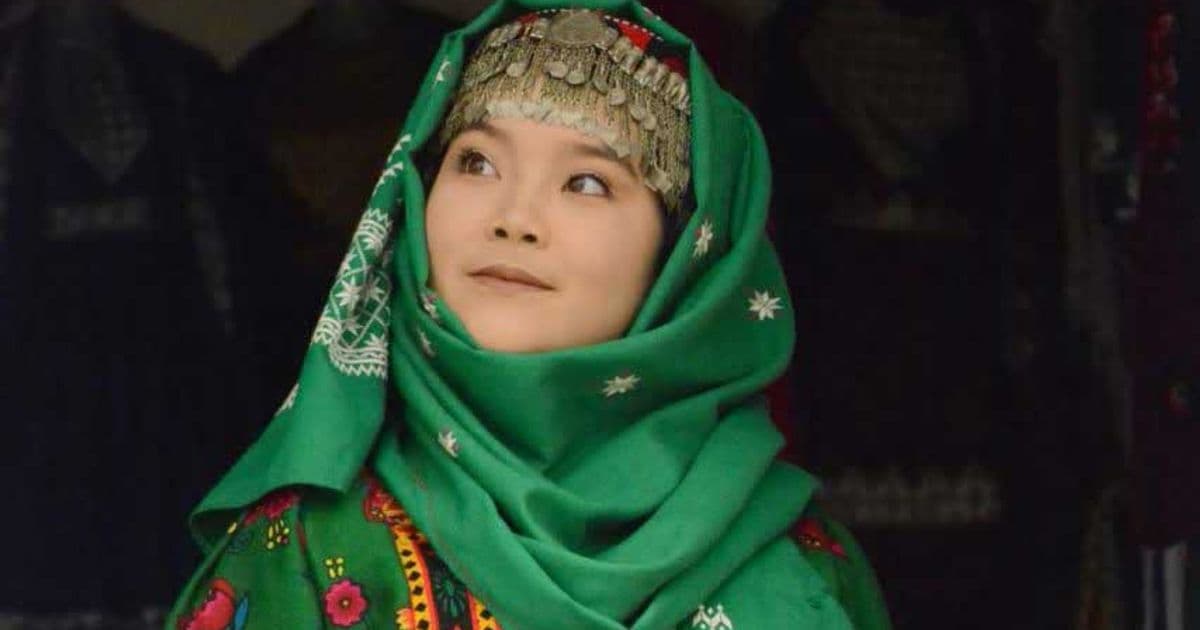
Instead of the traditional chādor (veil), these women wrapped their heads in luxurious fabrics, often golden and silken, so that one end draped elegantly over the shoulder and around the neck, resembling a turban. This distinctive style of head covering was known as a lungī. In their manner of dress, too, the Āghahs distinguished themselves from other women, reflecting a sense of nobility and leadership (Akhlaqī, 1380: 163).
However, wearing men’s attire among Āghahs was not a common practice; it appears to have been limited to well-known women of the Dāi-Zangī and Behsūd regions, whose clothing resembled that of men. They replaced the chādar with an expensive piece of fabric tied around the head like a turban, and their garments otherwise followed the male style. Historical records mention that the wife of Mohammad-ʿAzīm Bēg was arrested alongside her husband while dressed in men’s clothing, an outfit similar to what Āghahs commonly wore (ibid: 229). Likewise, one of the wives of Mīr Yazdān Bakhsh from Behsūd was known to accompany him on travels in the same manner of dress (Yazdani, …40).
In contemporary times, Āghahs either no longer exist as a distinct social group or no longer possess the aristocratic status they once held.
Sources:
E‘temādī, ʿAlī. (Interview by Zahra Hosseini, 6 Sunbula 1398 / 28 August 2019). The Hazara throughout History.Qom: Sharāyeʿ Publishing.
Akhlaqī, Mohammad Esḥāq. (1380 / 2001). The Hazaras in the Course of History. Qom: Esmāʿīliyān Publishing.
Teymurkhānuf, L. (1372 / 1993). The Hazara People. Translated by ʿAlī ʿĀlamī Kermānī. 2nd edition. Tehran: ʿErfān Publishing.
Poulādī, Ḥasan. (1387 / 2008). The Hazaras. Tehran: Mozarib Publishing.
Gharjestānī, Mohammad ʿĪsā. (1989). The Shiʿas of Afghanistan. Tehran.
ʿAbdalī, Ḥasan. (1391 / 2012). Contemporary Studies on the Shiʿas of Afghanistan. Tehran: Mozarib.
Dehkhodā, ʿAlī Akbar. (Accessed 21 Sunbula 1396 / 12 September 2017). Entry: Āghah. Vajehyab.com.
Faizī, Salman. (Interview by Mohammad Ḥosayn Faiz, 5 Qaws 1395 / 25 November 2016). The History of the Hazara and Hazaristan. Quetta: Islamic Cultural Council.
Yūsufī, ʿAbd-us-Samad. (Interview by Ebrāhīm Ḥekmatī, 22 Dalw 1398 / 11 February 2020). Shiʿism in Afghanistan. Mashhad: Author.
Yazdānī, Ḥosayn ʿAlī. (1370 / 1991). Scenes from the Blood-Stained Pages of Hazara History. Tehran.
Mujāhid, Āmeneh. (Interview by Mohammad Ḥosayn Faiz, 21 Sunbula 1396 / 12 September 2017). Tehran.
Loading comments...